Hydraulic Maintenance Standards Checklist
A hydraulic maintenance standards checklist provides a structured method for verifying system integrity. It covers fluid analysis, seal replacement, pressure testing, and documentation. Following these protocols reduces breakdowns and prevents hazardous releases during routine service work.
- Maintain a documented log for every pressure test, fluid change, and component replacement.
- Check for fluid contamination and overheating before assuming a pump failure.
- Verify that all safety valves are set to the manufacturer specified limits.
- Replace seals and hoses on a scheduled basis to prevent sudden line failures.
- Keep emergency shutoffs accessible and test them during each maintenance cycle.
Why a written checklist matters for hydraulic systems
Hydraulic systems fail in specific, repeatable ways. A worn seal weeps fluid. A clogged filter restricts flow. A relief valve sticks open. Without a standardized procedure, maintenance crews often guess which part to replace or skip checks that expose the operator to hydraulic injection injury. A written hydraulic maintenance standards checklist removes that guesswork. It forces the team to inspect the same points in the same order every time. This consistency catches early warning signs before a minor leak becomes a line rupture.
The checklist below is organized by function. Each section covers the physical checks, the documentation steps, and the specific signs of failure. Use it as a baseline. Adjust the frequency and specific part numbers to match your equipment.
Fluid and filtration checks
Fluid condition determines the life of every component in the system. Dirty oil wears pumps. Low fluid levels cause cavitation. The first section of any maintenance routine is fluid verification.
- Check fluid level with the system at operating temperature.
- Inspect the fluid for discoloration, water contamination, or metallic particles.
- Replace filters according to the scheduled interval or pressure drop reading.
- Test fluid viscosity and check for the presence of foam.
Red flags to watch for:
- Milkiness in the fluid indicates water contamination.
- A burnt smell suggests internal overheating or a failing pump.
- Metal flakes in the oil sample point to worn internal components.
Fluid analysis is not optional for heavy duty systems. A simple sample test costs less than the downtime caused by a seized pump. Keep a log of every sample taken. This history helps you spot trends before a failure occurs.
Pressure and relief valve verification
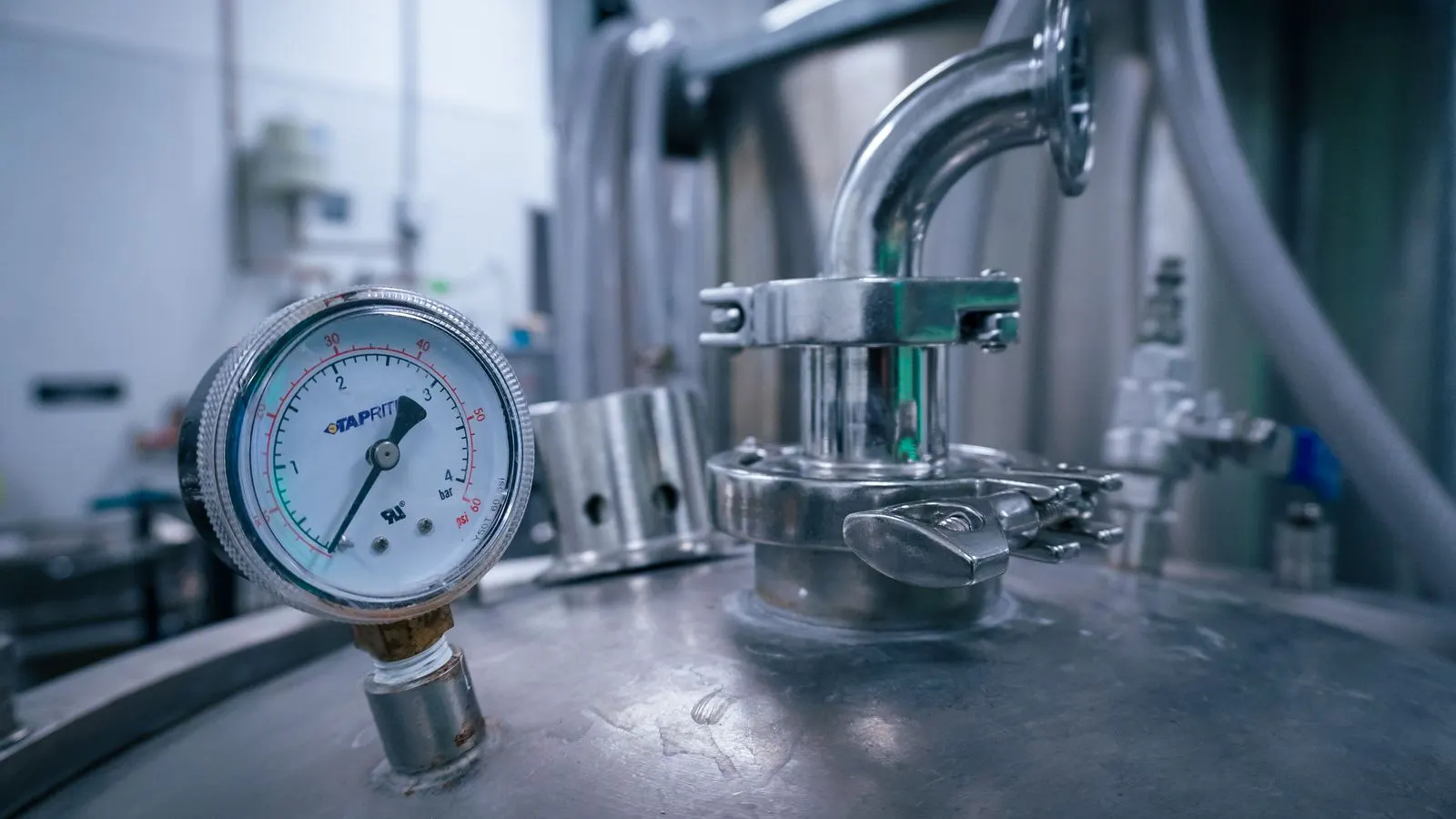
Pressure relief valves and safety valves protect the system from overpressure. If these devices are not set correctly, the entire system can fail. A valve that is set too low wastes power and overheats the fluid. A valve that is set too high allows the hoses and cylinders to burst.
- Verify the relief valve setting against the manufacturer data plate.
- Perform a pressure test at the rated maximum pressure.
- Check the safety valve for proper reset function.
- Inspect the valve stem for wear or corrosion.
Red flags to watch for:
- The valve chatters or vibrates under normal load.
- The system pressure never reaches the rated operating level.
- The relief valve weeps fluid when the system is off.
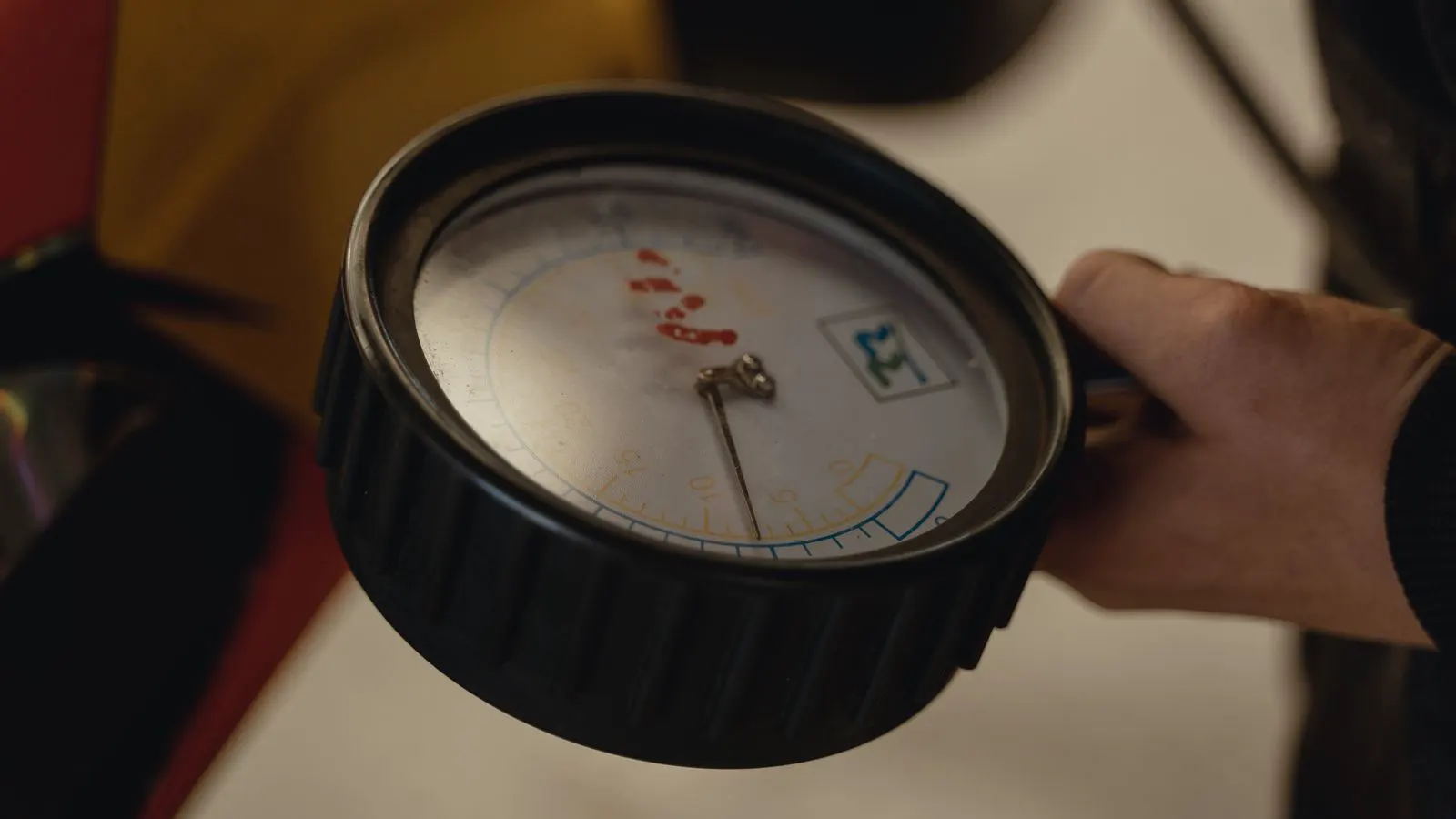
Use a calibrated gauge for these tests. A gauge that drifts by even a small amount gives a false reading. If the relief valve sticks, replace it. Do not try to clean a stuck valve while it is under pressure. Isolate the line first.
Hoses, fittings, and line integrity
Hoses are the most common failure point in mobile and fixed hydraulic systems. Heat and vibration degrade the rubber. Fittings vibrate loose. A single failed fitting can inject hot fluid through skin at high pressure.
- Inspect all hoses for bulges, cracks, or abrasion.
- Check fittings for weeping or seepage.
- Verify that hose clamps are tightened to specification.
- Replace hoses that show any sign of external damage.
Red flags to watch for:
- A white or shiny streak on the hose surface.
- A fitting that drips when the system is running.
- A hose that rubs against a moving part.
Do not patch a hose. If a hose is damaged, replace it. Use the correct hose size and pressure rating. A hose that is rated for lower pressure than the system maximum is a direct hazard.
Seal and cylinder inspection
Seals keep the fluid inside the cylinder and out of the case. When seals wear, the cylinder loses pressure. The piston drifts. The system consumes extra power to hold position.
- Check for external leakage at the rod and gland.
- Inspect the cylinder barrel for scoring or dents.
- Verify that the cylinder holds pressure when the pump is off.
- Replace seals if the rod weeps under load.
Red flags to watch for:
- The cylinder rod pulls out when the system is under load.
- Fluid is visible on the rod when the cylinder is extended.
- The cylinder makes a knocking sound during retraction.
Scoring on the barrel often comes from a contaminated system. If you replace the seals but do not fix the contamination, the new seals will fail quickly. Check the filters and fluid first.
Electrical and control checks
Hydraulic systems are driven by electrical motors and controlled by valves. A bad electrical connection can overheat a motor. A faulty solenoid can leave a valve stuck open.
- Check motor amperage draw against the nameplate rating.
- Inspect solenoid valves for proper response.
- Verify that emergency stops cut power to the pump.
- Check for frayed wiring or corroded terminals.
Red flags to watch for:
- The motor runs hot to the touch.
- A solenoid valve does not return to the neutral position.
- The emergency stop light stays on after a reset.
High amperage draw usually means the motor is working against a mechanical restriction. This could be a stuck valve or a seized pump. Do not keep running the motor if it draws too much current. Turn it off and investigate.
Safety and emergency response
The final section of the checklist is about the people using the system. Hydraulic fluid at high pressure is a medical emergency. A maintenance standard is not complete if it does not cover how to handle a leak or a line failure.
- Verify that all PPE is available at the workstation.
- Test the emergency shutoff valve.
- Confirm that the spill kit is stocked and accessible.
- Review the procedure for hydraulic injection injury.
Red flags to watch for:
- The spill kit is empty or expired.
- The emergency stop button is blocked by tools or parts.
- Workers are using rags to wipe fluid without gloves.
Keep a first aid kit nearby. High pressure injection can damage tissue under the skin. The injury may not be visible immediately. Anyone who gets hit by a leak needs immediate medical attention. Do not wait to see if the pain goes away.
Documentation and compliance
A checklist that is not written down is not a standard. If you do not record what was done, you cannot prove it was done. This creates a gap in the maintenance history.
- Record the date and operator name for every check.
- Note any parts replaced and the serial numbers.
- Log the results of pressure tests and fluid samples.
- File the completed checklist in the system maintenance binder.
Red flags to watch for:
- Missing entries in the maintenance log.
- The same part replaced multiple times in a short period.
- No record of when the last fluid change occurred.
Review the log quarterly. Look for patterns. If a pump is failing every six months, the root cause is not the pump. It is the system. The log helps you find the real problem.
Maintenance frequency guide
| Maintenance Task | Typical Frequency | Key Check Point |
|---|---|---|
| Fluid Level Check | Daily | Sight gauge level and color |
| Filter Inspection | Weekly | Pressure drop and debris |
| Hose and Fitting Check | Monthly | Visual inspection for wear |
| Relief Valve Test | Quarterly | Pressure setting and reset |
| Seal and Cylinder Check | Semi-Annually | Leakage under load |
| Electrical Motor Check | Annually | Amperage draw and temperature |
Use this table as a starting point. Adjust the frequency based on the duty cycle of your equipment. A machine that runs twenty four hours a day needs more frequent checks than one that runs a few hours a week. The more the system works, the faster it wears.
Common mistakes to avoid
Maintenance errors usually come from cutting corners. Skipping a check to save time often costs more later.
- Replacing a hose without checking the pressure rating.
- Using the wrong type of fluid for the system.
- Tightening fittings with the system pressurized.
- Ignoring a small leak because it is not spraying.
- Failing to bleed air from the lines after a repair.
Air in the system causes spongy controls. It also damages the pump. Bleed the lines carefully after any work. Do not force the fluid through the lines with high pressure.
Final review points
Before you close out the maintenance cycle, do a final walk around the equipment. Look for fluid on the floor. Listen for unusual noises. Check that all covers and guards are back in place. A system that is maintained well should run quiet and clean. If it is not, the checklist was not followed. Run it again. Fix the issue. Record it. Then move on to the next cycle.
Frequently asked questions
How often should I check hydraulic fluid levels?
Check the fluid level daily. This is a quick visual check that catches leaks before they become a problem. If the level is low, find the leak immediately.
What is the most common cause of hydraulic system failure?
Contamination is the leading cause. Dirt in the fluid wears seals and pumps. Keep the filters clean and keep the system sealed to prevent dirt from entering.
Can I use any hydraulic fluid in my system?
No. Use the fluid specified by the equipment manufacturer. Different fluids have different chemical properties. Mixing them can damage seals and cause foaming.
What should I do if a hydraulic hose bursts?
Shut down the system immediately. Keep people away from the area. Do not approach the leak until the pressure is released. Look for skin contact with the fluid.
How do I know if my relief valve is set too high?
Test the valve at the rated maximum pressure. If the system pressure exceeds the limit before the valve opens, it is set too high or is stuck. Replace or adjust the valve.