
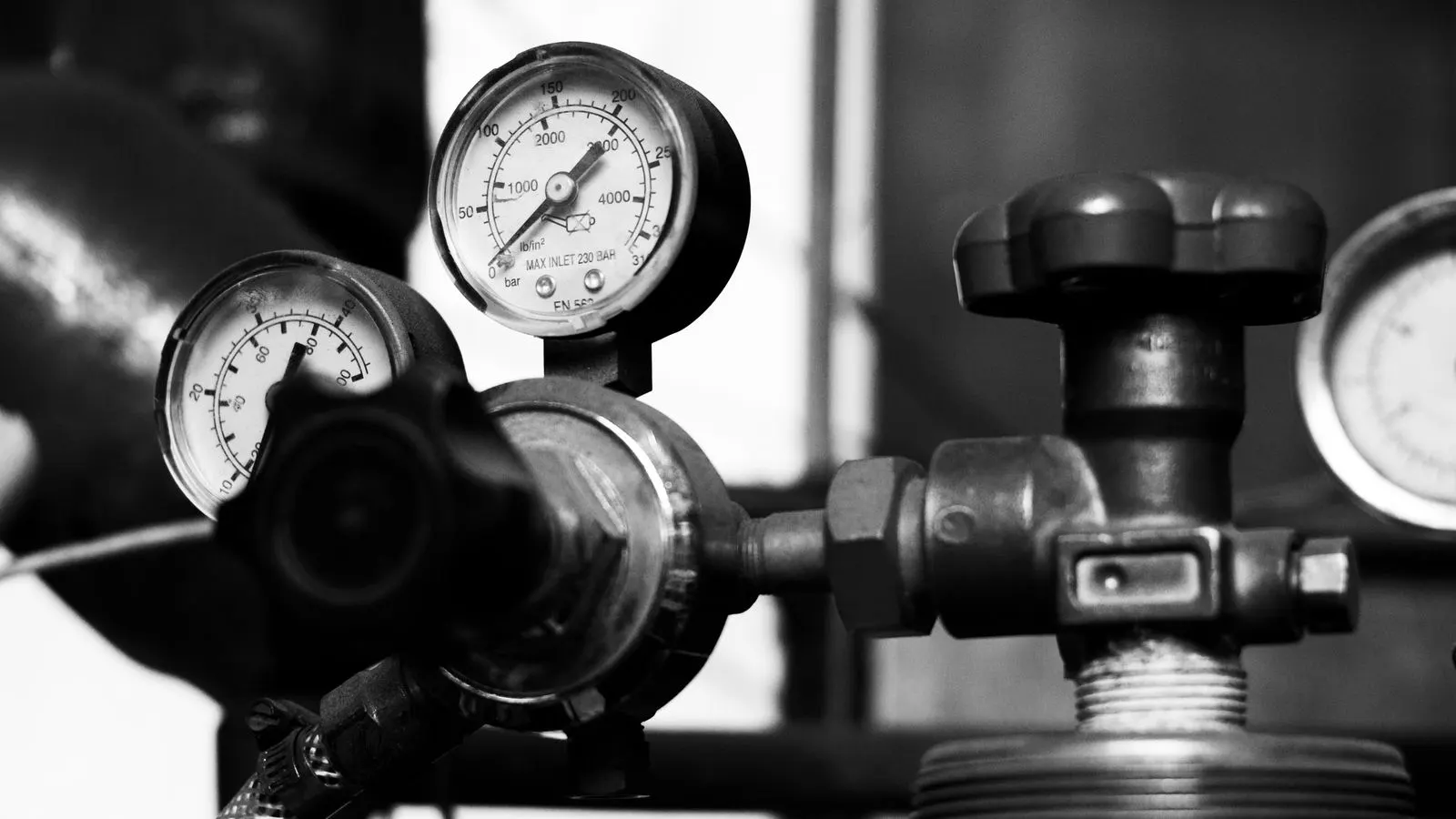
Hydraulic Pumps
What Is Hydraulic Power: Flow, Pressure, and Efficiency
Hydraulic power is the rate at which energy is transferred through a hydraulic system. It depends on fluid flow and system pressure. Understanding these basics helps
Practical hydraulic guidance for engineers and buyers.
Buyers in the hydraulic industry make decisions on supplier capability, component specifications, quality checks, and lead times. This site gives you the technical context to compare options and ask the right questions.
The content covers hydraulic pumps, cylinders, valves, fluid filtration, troubleshooting, standards, and supplier selection. Each section uses plain language and focuses on the variables that affect reliability and cost.
Start with the stage of the sourcing process you are in.
Learn how hydraulic pumps work, select the right type for your system, and understand flow, pressure, and efficiency basics.
Explore hydraulic cylinders and actuators, from stroke and bore sizing to mounting options and force calculations for your applications.
Understand hydraulic valves and manifolds, including control logic, flow and pressure regulation, and how to build reliable valve layouts.
Choose the right hydraulic fluid, understand viscosity and contamination, and set up filtration to protect pumps and valves in service.
Diagnose common hydraulic problems like noise, heat, slow response, and leaks, with practical steps to isolate faults and restore
Review key hydraulic safety practices, design guidelines, and industry standards that support safe, compliant, and reliable system
Compare hydraulic suppliers by technical support, lead time, documentation, and service, and learn how to evaluate fit for your project
Hydraulic power is the rate at which energy is transferred through a hydraulic system. It depends on fluid flow and system pressure. Understanding these basics helps

To calculate required flow, multiply cylinder area by the desired speed. Add flow for motors and auxiliary circuits. Apply the pump sizing formula to select a unit that
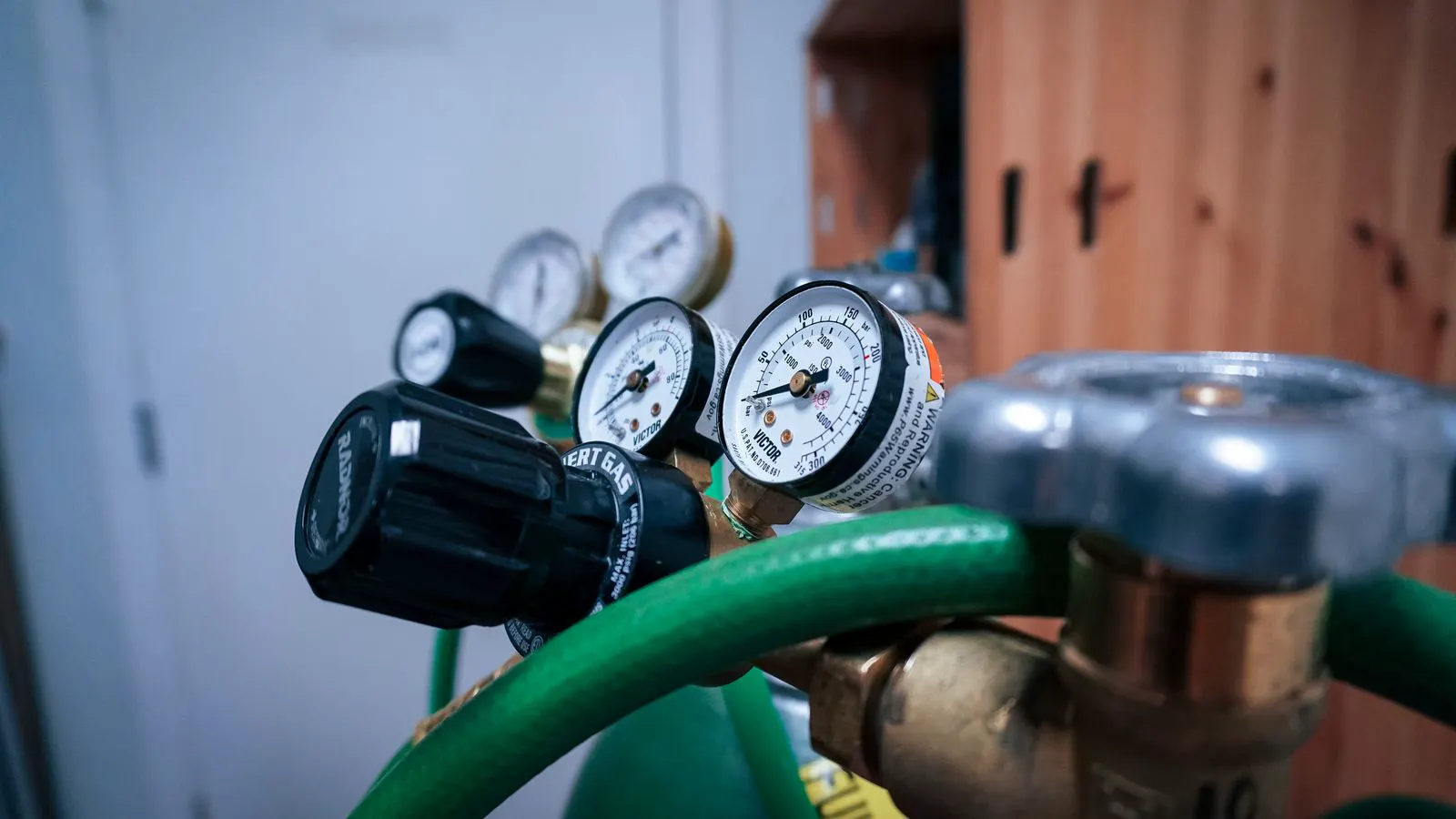
Selecting pressure control valves for mobile equipment requires matching valve type, size, and response speed to the specific load and duty cycle. This guide outlines

A hydraulic parts distributor acts as a middleman between manufacturers and end users, holding inventory and managing logistics. This model offers faster sourcing and
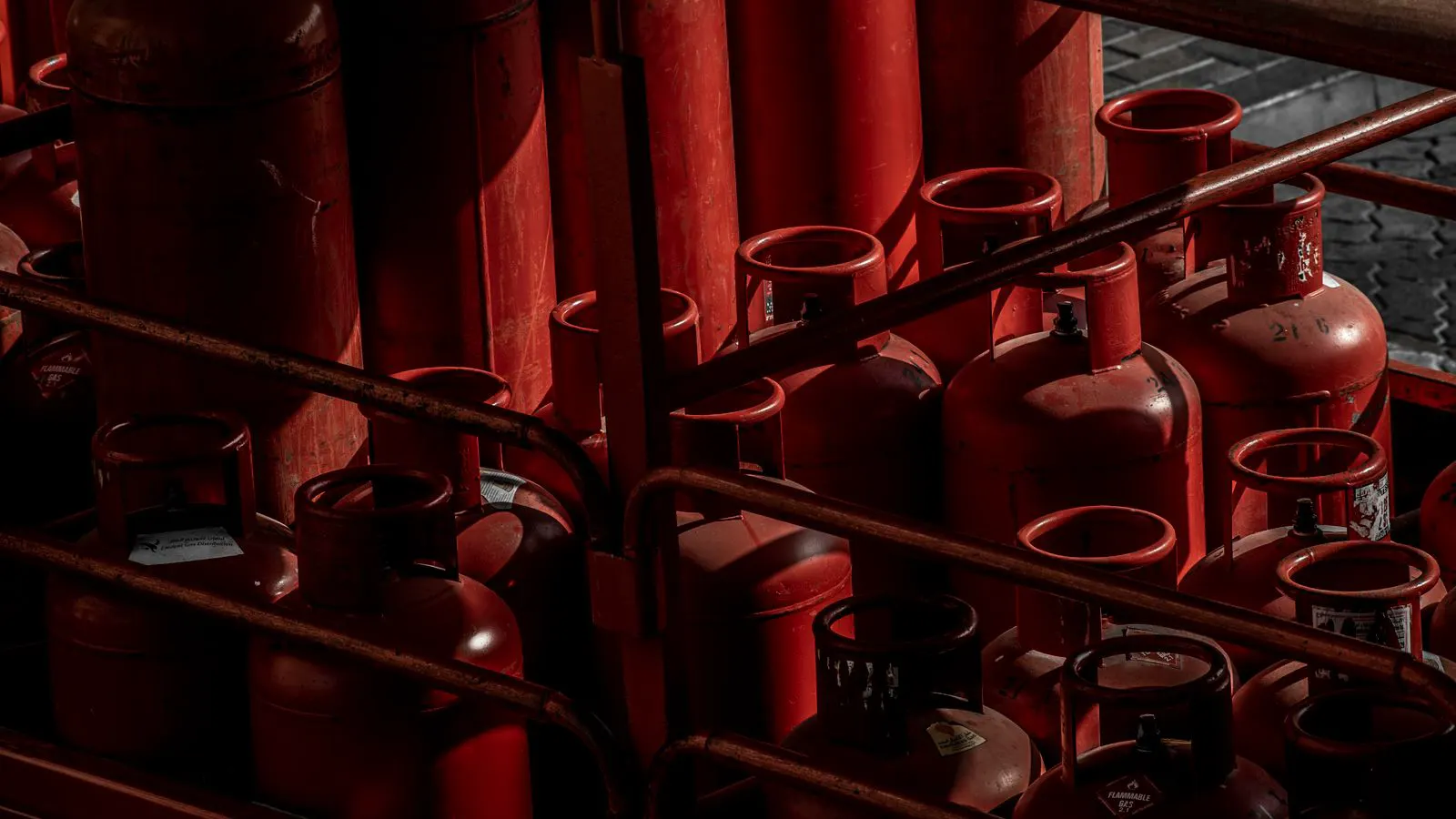
Choose actuator selection criteria that match the vibration environment. Evaluate mounting styles, seal materials, and stroke limits. A cylinder that fails due to

Hydraulic noise usually signals cavitation, air ingress, or worn components. This guide maps common sounds to specific mechanical causes and provides actionable fixes to

Hydraulic system flushing involves draining, cleaning, and refilling the system with clean fluid to remove debris from pump or motor replacement. Follow a step-by-step

Assessing supplier reliability requires checking documentation, technical support, production capacity, and financial stability. Use this structured checklist to audit a

Slow or jerky cylinder motion usually stems from low cylinder force caused by internal leaks, worn seals, or inadequate pressure. This guide provides a systematic
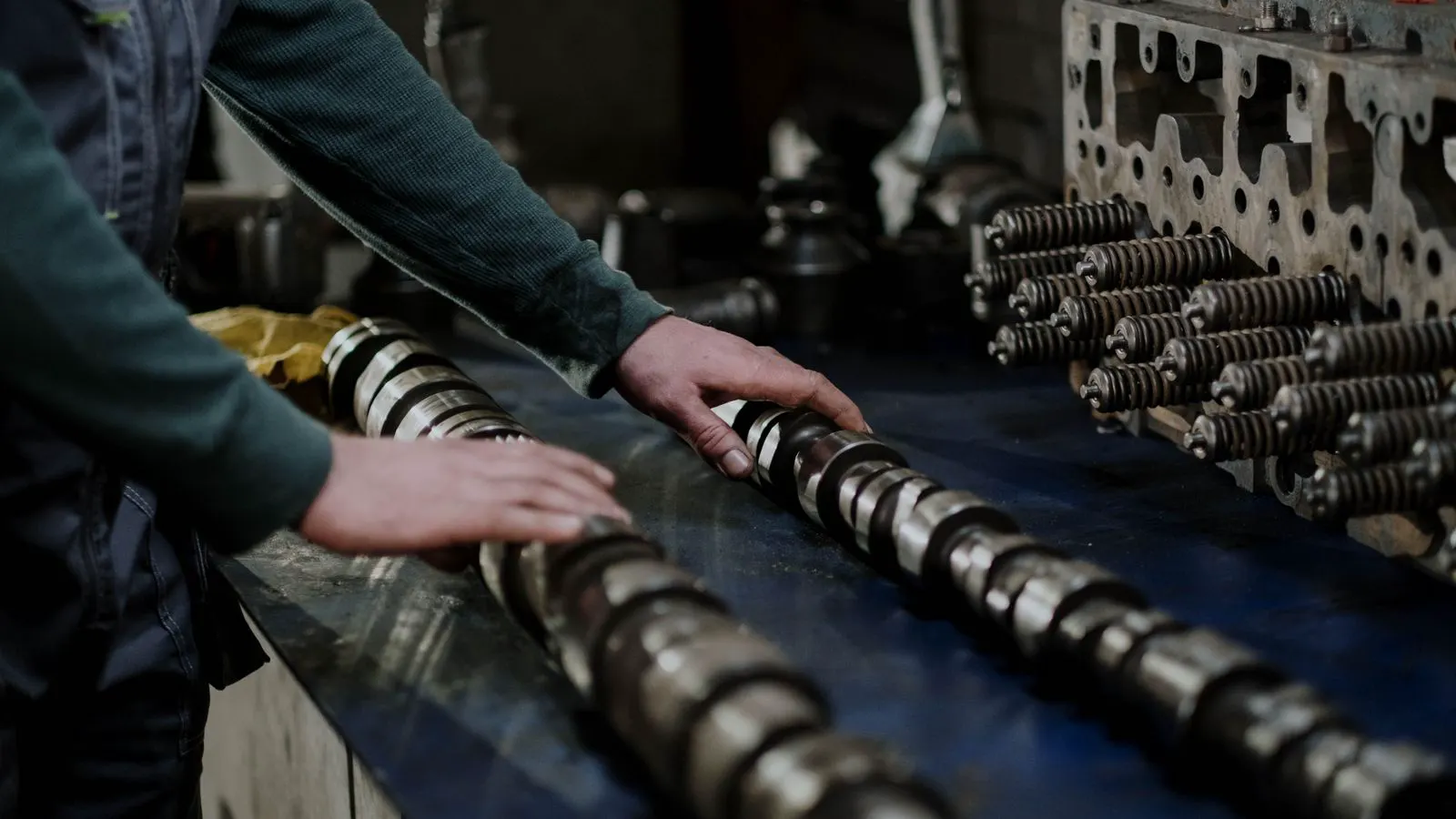
Emerging materials and seal technologies are changing how hydraulic actuators perform under stress. This guide outlines five practical shifts buyers should plan for
A pump converts mechanical energy into hydraulic energy. A motor converts hydraulic energy into mechanical rotation. They use similar internal components but are engineered for opposite power flows.
Consider the required force, stroke length, mounting position, and speed. Check the bore size and rod diameter against your load. Verify the seal type matches the operating temperature and fluid.
Filters remove particulates that cause wear in pumps, valves, and cylinders. Regular filtration extends component life and prevents system failure from contamination.
Verify the flow rate, pressure rating, port size, and control type. Match the valve to your system's pressure profile and ensure it is compatible with your manifold design.
Check for fluid leaks, air in the system, or a restricted filter. Verify the pump output and cylinder seal integrity. Measure system pressure to identify the bottleneck.
Follow applicable national and international standards for pressure vessels, piping, and electrical safety. Ensure all components are rated for the system's maximum pressure and temperature.