Cylinders & Actuators
Buyer's Guide: Selecting a Hydraulic Cylinder for Vibration
Choose actuator selection criteria that match the vibration environment. Evaluate mounting styles, seal materials, and stroke limits. A cylinder that fails due to
Explore hydraulic cylinders and actuators, from stroke and bore sizing to mounting options and force calculations for your applications.
Choose actuator selection criteria that match the vibration environment. Evaluate mounting styles, seal materials, and stroke limits. A cylinder that fails due to

Slow or jerky cylinder motion usually stems from low cylinder force caused by internal leaks, worn seals, or inadequate pressure. This guide provides a systematic
Emerging materials and seal technologies are changing how hydraulic actuators perform under stress. This guide outlines five practical shifts buyers should plan for

A double acting cylinder pushes and pulls on the load. A single acting cylinder pushes on one side and relies on a spring or load to return. The choice depends on
Actuator selection choices drive both cost and delivery. Custom bore sizes, special materials, and port configurations add weeks to lead time and raise price. A clear
Single and double acting cylinders calculate force differently because of piston area usage. This guide explains the math behind each type, shows how pressure rating

A rapid-reference checklist helps buyers verify actuator selection details like bore, stroke, pressure, and seals. It covers technical specs, commercial terms, and red
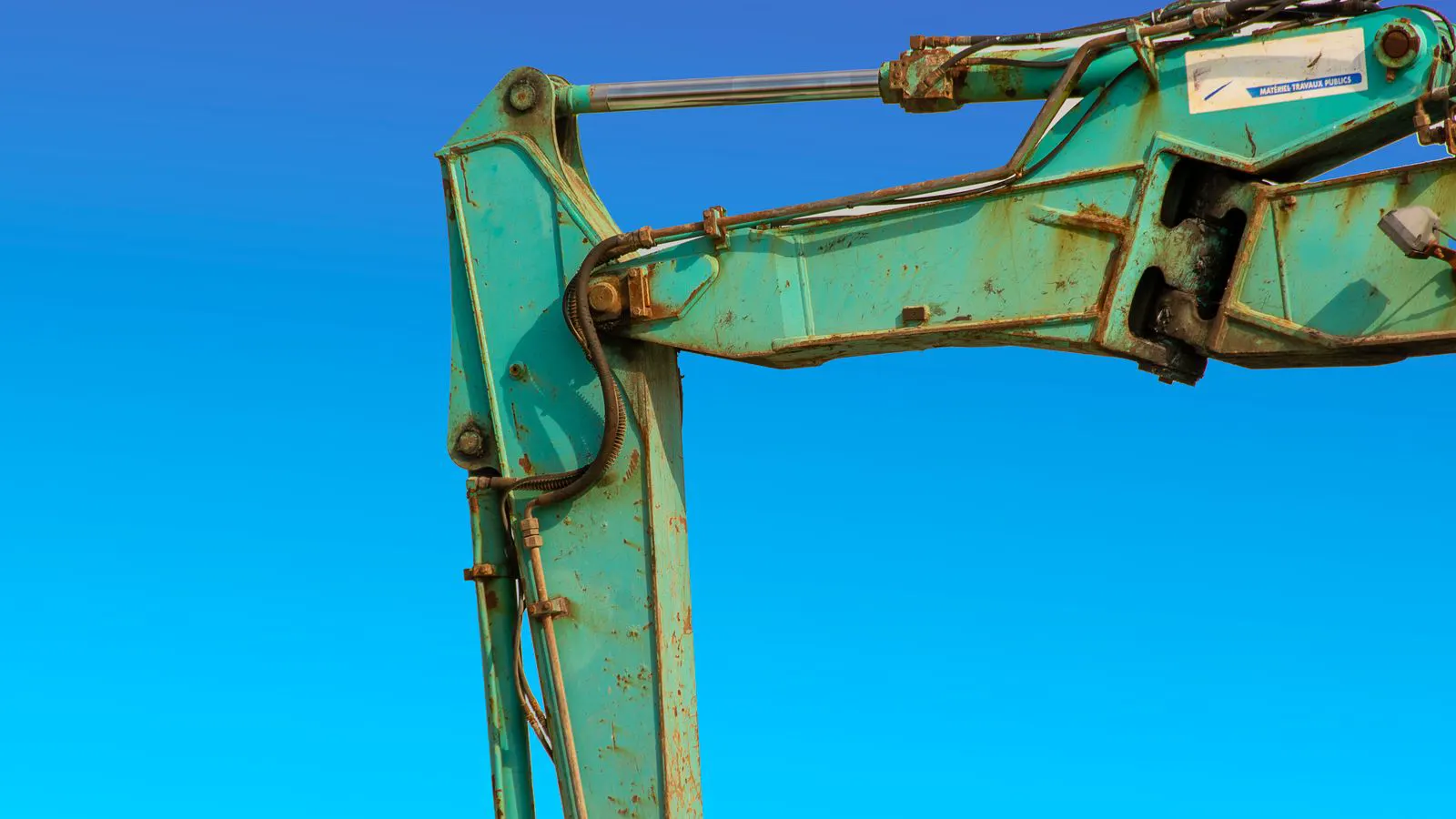
Hydraulic cylinder sizing depends on load magnitude and required travel. Calculate bore diameter from force and pressure, then set stroke length to match mechanical