Why Hydraulic Manifolds Overheat: Common Causes and Fixes
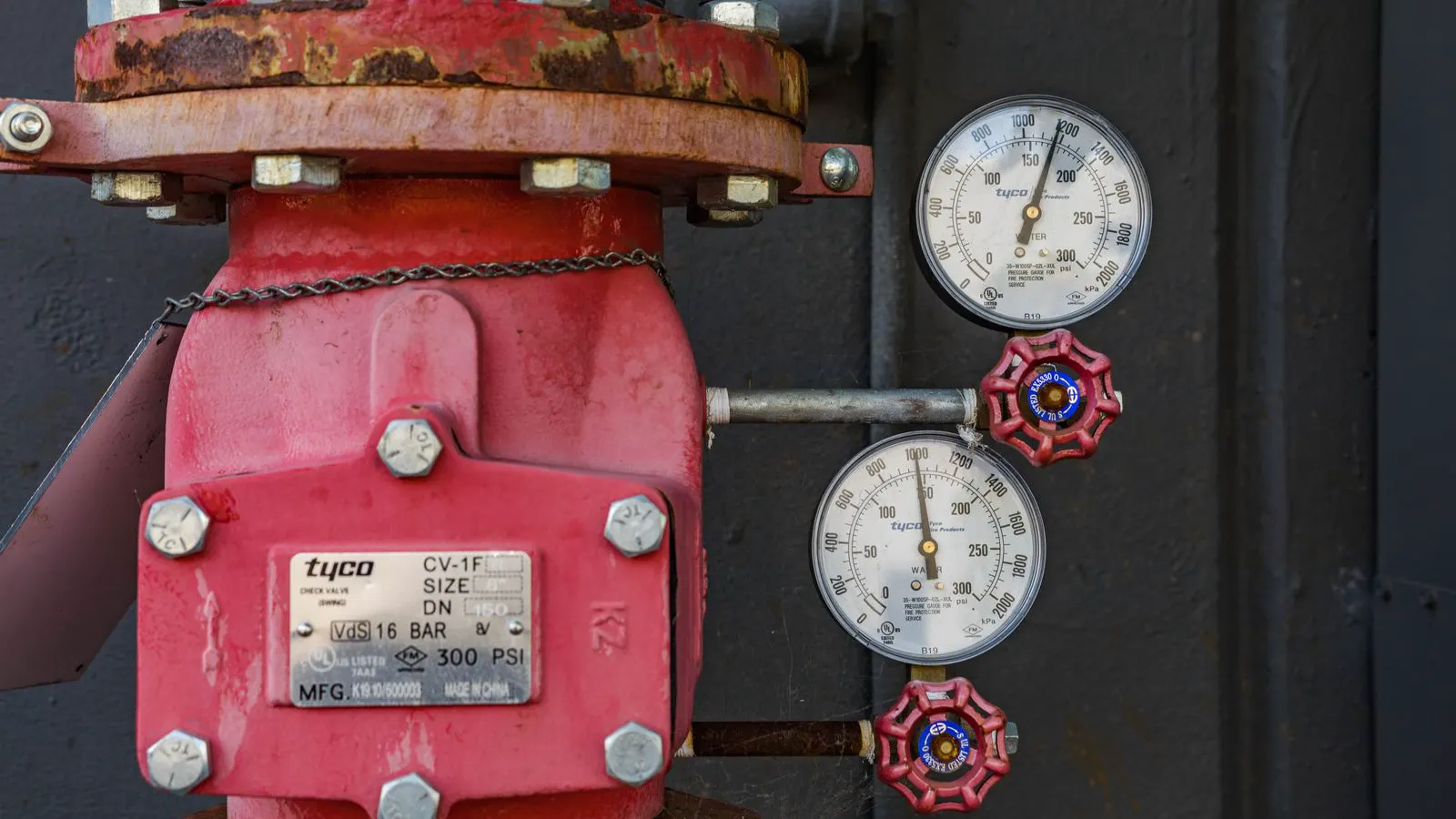
A hydraulic manifold overheats when flow is restricted or heat is not dissipated. Common causes include worn spools, clogged passages, or incorrect pressure relief settings. Check these areas to prevent damage.
- High manifold temperature signals internal leakage or restricted flow.
- Worn spools and clogged passages are frequent root causes.
- Verify relief valve settings and cooling capacity before replacing parts.
- Monitor pressure drops across the valve block to isolate faults quickly.
- Preventive maintenance extends service life and avoids emergency shutdowns.
What Is a Hydraulic Manifold Overheating
A hydraulic manifold concentrates pressure, flow, and temperature in one housing. When it runs hot, the fluid inside is generating heat faster than the system can remove it. This condition stresses seals, shortens component life, and can trigger safety shutdowns.
Overheating is not a single fault. It is a symptom. The root cause usually sits inside the block or in the surrounding circuit.
How to Detect Overheating Early
Visual and tactile checks catch issues before they become failures. Operators should feel the manifold housing at regular intervals. A housing that is too hot to hold for more than a few seconds indicates a problem.
Check these indicators:
- Touch the manifold body at different points. Hot spots near specific ports point to localized flow issues.
- Observe return line temperature. If return fluid is hotter than expected, internal leakage is likely.
- Watch the pressure gauge. A manifold that runs hot may show lower-than-normal system pressure.
- Listen for noise. Hissing or cavitation sounds near the block suggest air entrainment or restricted flow.
- Record baseline temperatures. Compare readings against normal operating ranges to spot drift.
Common Causes of Manifold Overheating
The table below lists the most frequent symptoms, their likely causes, and the corrective actions to take.
| Symptom | Likely cause | What to do |
|---|---|---|
| Hot housing near relief valve port | Relief valve stuck open or worn spool | Inspect and replace the relief valve. Verify spring pressure against spec. |
| High return line temperature | Internal leakage past spool seals | Replace the valve cartridge or rebuild the manifold. Check for worn O-rings. |
| Low system pressure with hot block | Clogged passages or restricted inlet filter | Clean the manifold. Replace the inlet filter. Check for debris in the tank. |
| Hissing sound at ports | Air entrainment from low fluid level or leaking seals | Top up fluid. Inspect hoses and fittings. Check the suction line for leaks. |
| Uniform heat across the entire block | Insufficient cooling capacity or overloading | Add or service the heat exchanger. Verify pump output matches system demand. |
| Pressure spikes followed by rapid cooling | Water in the fluid or degraded oil | Analyze oil samples. Replace fluid and filter. Check the reservoir for contamination. |
Internal Leakage and Worn Spools
The most common internal cause is spool wear. Over time, the metal surfaces inside a valve spool erode. Fluid bypasses the intended path and flows to the return line instead of the actuator. This bypass flow generates heat inside the block.
Worn spools often show a shiny, polished finish. Check the spool bore and the spool itself. If the clearance exceeds the manufacturer tolerance, rebuild or replace the valve.
Do not just replace the spool. Replace the entire cartridge if the housing is also scored. A new spool in a worn bore will wear again quickly.
Clogged Passages and Contamination
Debris from the tank, hoses, or other components can block internal passages. A small particle can restrict flow through a narrow port. The restriction creates a pressure drop. The fluid heats up at the restriction point.
Check the inlet filter first. A clogged filter starves the manifold of flow. Pressure drops, and the pump works harder. The extra work converts to heat.
Flush the manifold if contamination is suspected. Use clean fluid and a soft brush. Avoid metal tools that can scratch the passages. Inspect the tank for sludge. Replace the return line filter if it is loaded with fines.
Relief Valve Misadjustment
The relief valve protects the system from overpressure. If it is set too low, it opens at a pressure below the intended operating range. The valve then dissipates excess energy as heat. The manifold housing near the relief port gets hot.
If the relief valve is set too high, the system may exceed design pressure. The seals and spools may leak internally. This also generates heat.
Verify the relief setting with a calibrated test rig. Compare the setting against the valve datasheet. Adjust the spring or adjuster as specified. Do not guess the setting.
Cooling Capacity and Heat Dissipation
Hydraulic systems generate heat as a byproduct of fluid friction and pressure drops. The heat must move from the fluid to the ambient air or a heat exchanger. If the cooling path is blocked, the fluid temperature rises.
Check the heat exchanger. A clogged fin or a weak fan reduces heat rejection. Clean the fins with compressed air or a low-pressure wash. Inspect the fan for damage.
Verify the reservoir level. Low fluid level reduces the cooling surface area and allows air entrainment. Air compresses under pressure and generates heat.
Check the ambient temperature. If the equipment runs in an enclosed space, add ventilation or a larger heat exchanger.
Pump and Motor Mismatch
A hydraulic pump that is too large for the system delivers more flow than the actuators need. The excess flow returns to the tank through the relief valve. The relief valve burns energy as heat.
A motor that is too small for the load may stall. The pump continues to deliver flow. The relief valve opens. Heat builds up.
Verify the pump displacement and motor size against the system requirements. Match the pump curve to the load profile. If the pump is oversized, consider a variable displacement pump or a smaller fixed displacement unit.
Prevention Tips
Prevent overheating by maintaining clean fluid and verified settings. Follow these practices:
- Change the oil and filters at the intervals specified by the oil manufacturer.
- Inspect the inlet and return filters monthly.
- Check the relief valve setting annually.
- Monitor manifold temperature with an infrared thermometer.
- Keep the reservoir sealed to prevent air and moisture ingress.
- Inspect hoses and fittings for leaks and abrasion.
- Service the heat exchanger and cooling fan at least once a year.
- Keep a log of pressure, temperature, and flow readings to track drift.
When to Replace the Manifold
A manifold can be rebuilt if the housing and ports are in good condition. Replace the entire block if the body is cracked, the ports are stripped, or the heat damage is severe.
Look for these signs:
- Discoloration or warping of the housing
- Cracks around the mounting holes
- Pitted or scored internal passages that cannot be cleaned
- Persistent overheating after spool and relief valve replacement
Replacement is often cheaper than repeated rebuilds when the block is damaged. Match the replacement to the original port layout and pressure rating.
Diagnostic Flowchart
Use this sequence when troubleshooting a hot manifold.
- Confirm the temperature is above baseline.
- Check fluid level and condition.
- Inspect the inlet filter.
- Check the relief valve setting.
- Measure pressure at the manifold inlet and outlet.
- If pressure drop is high, check for clogged passages.
- If pressure drop is low and return temperature is high, check for internal leakage.
- Verify cooling capacity.
- Replace the suspect component.
- Re-test after the fix.
A systematic approach saves time. Jumping to a replacement without checking the relief valve or filter often leads to a repeat failure.
Common Mistakes to Avoid
Do not ignore a hot spot. A small temperature rise today can become a failed seal tomorrow.
Do not adjust the relief valve to stop overheating. That masks the root cause and risks overpressure.
Do not use the wrong oil viscosity. Thin oil may reduce friction but increases leakage. Thick oil increases friction and heat. Use the viscosity recommended for the operating temperature range.
Do not skip the oil analysis. Water and metal particles are early indicators of wear.
Related Topics
If the manifold runs hot because the relief valve is opening too often, check the sizing and capacity of that valve. Proper relief valve sizing prevents unnecessary heat generation and protects the pump.
Frequently asked questions
Can a hydraulic manifold overheat from low fluid level?
Yes. Low fluid level reduces cooling and allows air into the suction line. Air compresses under pressure and generates heat.
What is the fastest way to find internal leakage in a manifold?
Measure the pressure drop across the block and compare return line temperature. A high return temperature with low outlet pressure points to bypass leakage.
Should I replace the whole manifold if the spool is worn?
Not always. If the housing and ports are clean, a rebuild is often sufficient. Replace the block if the body is damaged or the passages are scored.
How often should I check the manifold temperature?
Check it during routine inspections. If the system runs hot, check it daily until the issue is resolved.
Can a clogged inlet filter cause overheating?
Yes. A clogged filter restricts flow. The pump works harder and the relief valve may open. The extra energy converts to heat inside the manifold.