The Future of Electric Hydraulic Systems in Industrial Automation
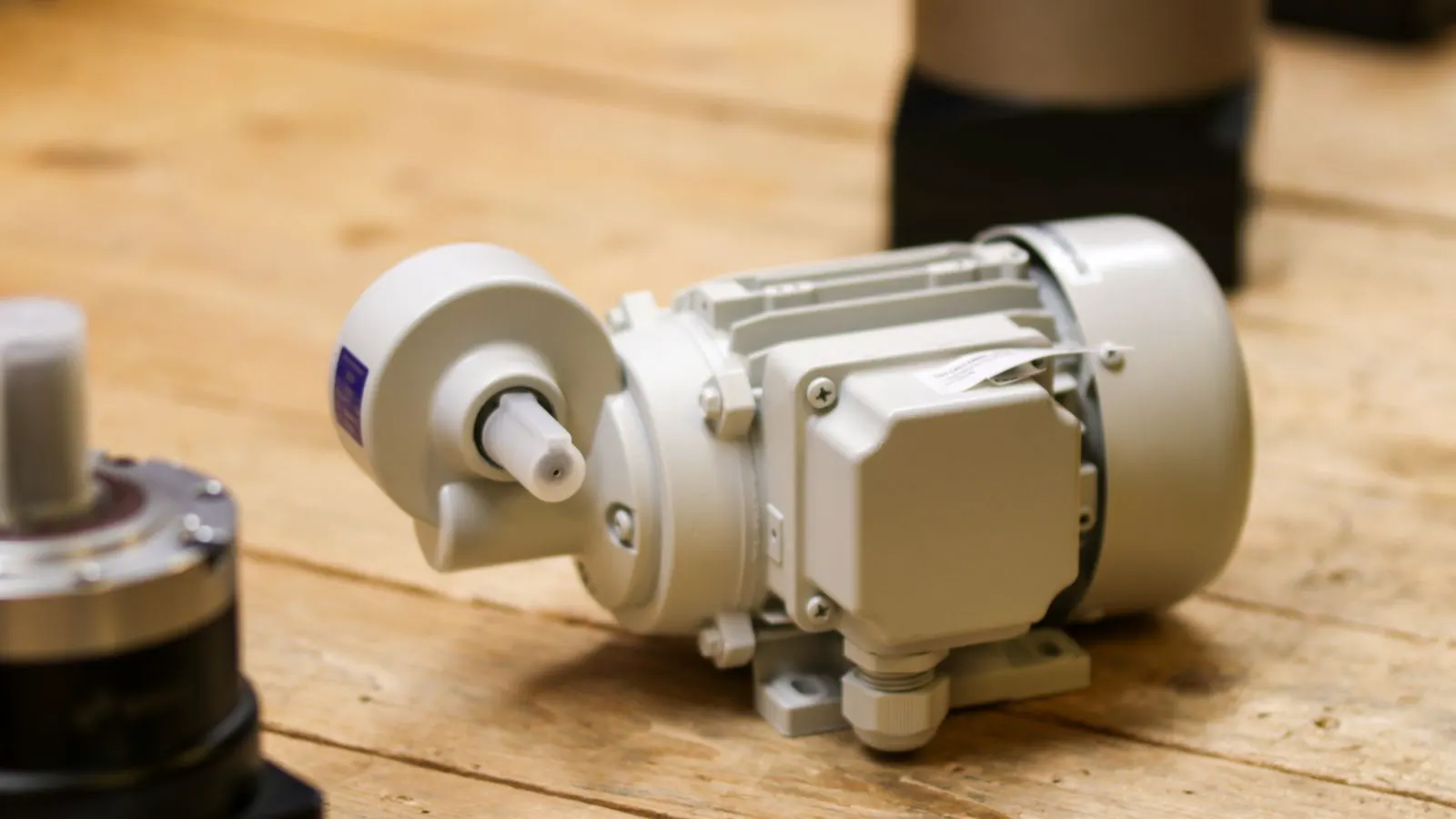
Electric hydraulic systems integrate direct motor control with hydraulic power. This approach replaces large central pumps with point-of-use motors, improving efficiency and response time. Buyers should plan for higher control complexity and revised maintenance routines.
- Point-of-use electric motors reduce flow losses found in centralized hydraulic loops.
- Variable displacement pumps and electric drives allow precise pressure and speed control.
- Maintenance shifts from fluid-only checks to sensor and controller diagnostics.
- Noise and heat output generally drop when pumps run only when needed.
- Designers must match the control system to the specific load profile of each machine.
Why electrification is moving to the point of use
Centralized hydraulic systems have dominated heavy machinery for decades. A single large pump moves fluid through a manifold to many actuators. This setup works well for steady loads, but it creates friction. The pump runs at a fixed speed or uses a variable displacement mechanism to manage demand. Excess pressure dissipates through relief valves, which converts energy into heat.
Electric hydraulic systems change the architecture. They place a dedicated electric motor and pump at the point of use. The motor only turns when the actuator needs force. This eliminates the constant energy loss of a central pump idling against a closed system. The result is a system that responds faster and consumes less power during low-demand phases.
This shift is not just about swapping a pump. It changes how engineers think about fluid flow. Instead of designing a high-flow loop, they design specific power units for each function. A press, a conveyor, and a lift may each have its own electro-hydraulic unit. This modularity simplifies troubleshooting because a fault in one unit does not affect the others.
How electro-hydraulic control changes system behavior
Traditional hydraulics rely on valves to throttle flow and pressure. These valves have hysteresis and leakage. They also require careful tuning to prevent hammering or slow response. Electro-hydraulic systems use electronic controllers to manage the electric motor directly.
The controller reads signals from pressure transducers, position sensors, or load cells. It calculates the exact torque and speed required for the actuator. The motor drives a pump that is often a variable displacement unit. The pump adjusts its output to match the controller command. This closed-loop control reduces overshoot and improves repeatability.
For buyers, this means the hydraulic system is now part of the machine’s digital control stack. The hydraulic unit is no longer a separate island. It communicates with the main PLC or motion controller. This integration allows for coordinated movements. For example, a multi-axis machine can synchronize hydraulic presses with mechanical clamps based on real-time data.
Efficiency gains and their limits
The most obvious benefit of electric hydraulic systems is energy efficiency. A central pump must deliver the maximum flow required by any actuator on the system. If that flow is not used, the excess pressure drops across a valve. The energy is lost as heat. A point-of-use electric system only delivers the flow needed for that specific actuator at that specific moment.
This efficiency gain is most pronounced in systems with intermittent loads. Machine tools, packaging lines, and testing rigs often have long idle periods. In these cases, the central pump wastes significant energy. Switching to electric hydraulic units allows the pumps to shut down completely during idle.
However, the gain is not unlimited. If a machine requires continuous high-flow operation, the difference narrows. The energy used to spin the electric motor and drive the pump is similar to a central pump, minus the valve losses. The real efficiency win comes from the elimination of pressure drop losses and the ability to run the motor at a lower speed for lower pressure.
Noise and heat are other practical benefits. Electric motors are quieter than large hydraulic pumps with mechanical variable displacement mechanisms. The heat generated by the motor is more manageable and can be directed away from sensitive components. This makes electric hydraulic systems suitable for clean rooms, indoor assembly lines, and areas where heat buildup is a concern.
Maintenance and lifecycle changes
Maintenance routines change significantly when moving to electric hydraulic systems. Traditional systems focus on fluid filtration, seal replacement, and pump bearing wear. Electric systems add electronic components to the checklist.
The table below compares typical maintenance items for both approaches.
| Component | Central Hydraulic System | Electric Hydraulic System |
|---|---|---|
| Primary Power Source | Large central pump driven by main engine | Dedicated electric motors at points of use |
| Control Logic | Mechanical valves and relays | Electronic controllers and PLCs |
| Common Wear Item | Pump vanals and seals | Motor brushes (if applicable) and bearings |
| Diagnostic Focus | Pressure and flow readings | Sensor data and controller logs |
| Fluid Requirement | Large reservoir volume | Small reservoir or closed loop |
| Noise Level | Higher due to central pump | Lower due to distributed motors |
The fluid volume in electric systems is often smaller. This reduces the cost of filtration and makes fluid changes faster. However, the electronic components introduce new failure modes. Sensors can drift. Connectors can corrode. Controllers can suffer from software bugs.
Engineers must plan for these new challenges. Maintenance teams need training on diagnostic software. Spare parts lists must include electronic modules, not just mechanical seals. The lifecycle of the system is now a blend of mechanical durability and electronic reliability.
Design considerations for new projects
When specifying electric hydraulic systems, the first step is to define the load profile. Does the machine need high force for short bursts? Or does it require constant low pressure? The answer determines the size and type of pump and motor.
Variable displacement pumps are common in these systems. They allow the pump to adjust its output to match the demand. A constant displacement pump can be used for simpler applications where the pressure is stable. The choice depends on the specific duty cycle.
The control system is the heart of the design. It must handle the communication between the hydraulic unit and the main machine controller. Standard protocols are used to ensure compatibility. The controller must also manage safety functions, such as emergency stops and pressure limits.
Buyers should ask suppliers about the integration method. Can the electric hydraulic unit be controlled via a standard PLC? Does it support fieldbus protocols? Can the system be monitored remotely? These questions affect long-term flexibility and ease of service.
Practical shifts to plan for
Buyers and engineers should plan for five practical shifts as electric hydraulic systems become more common.
- Higher control complexity. The hydraulic system is now part of the digital control architecture. This requires a deeper understanding of software and communication protocols.
- Revised maintenance routines. Electronic diagnostics and sensor calibration are now part of the routine. Traditional mechanical checks must be supplemented with digital inspections.
- Modular design. Systems are being designed as modular units. This allows for easier replacement and upgrade of individual components.
- Energy management. The ability to shut down pumps when not in use allows for better energy management. This aligns with sustainability goals and can reduce operating costs.
- Noise and heat reduction. Electric hydraulic systems are generally quieter and run cooler. This makes them suitable for a wider range of applications, including indoor and sensitive environments.
These shifts require a change in mindset. The hydraulic system is no longer just a fluid power tool. It is a controlled actuator within a digital system.
How to prepare your operation
Preparing for electric hydraulic systems starts with an audit of your current machines. Identify which machines have intermittent loads. These are the best candidates for electrification. Look at machines that spend a lot of time idling. The energy savings will be significant.
Next, review your maintenance capabilities. Do your technicians have the skills to diagnose electronic issues? If not, training will be needed. Consider partnering with suppliers who offer support services. They can provide guidance on integration and maintenance.
Finally, think about the long-term view. Electric hydraulic systems are becoming more standard in industrial automation. Designing new machines with these systems in mind will future-proof your operation. It will also make it easier to integrate with other digital systems, such as IoT sensors and predictive maintenance platforms.
The move to electric hydraulic systems is not just a technical upgrade. It is a strategic shift. It aligns hydraulic power with the digital trends shaping industrial automation. By understanding the changes and preparing your operation, you can take full advantage of the benefits they offer.
Frequently asked questions
What is the main difference between a central hydraulic system and an electric hydraulic system?
A central hydraulic system uses one large pump to serve multiple actuators. An electric hydraulic system uses dedicated electric motors and pumps at each point of use.
Do electric hydraulic systems require more maintenance?
They require different maintenance. You must check electronic sensors and controllers in addition to mechanical parts. The fluid volume is often smaller, which can simplify fluid changes.
Are electric hydraulic systems more expensive to buy?
The initial cost of electronic components and controllers is generally higher than for a simple valve setup. However, the energy savings and reduced fluid volume can offset this over time.
Can electric hydraulic systems be retrofitted to old machines?
Yes, but it depends on the machine. Retrofitting requires space for the new motors and pumps. It also requires wiring and integration with the existing control system.
How do electric hydraulic systems affect noise levels?
They generally reduce noise. Electric motors are quieter than large central hydraulic pumps, and there is less fluid flow noise because the pumps run at lower speeds.